


September has a reputation as a bad month for Bitcoin. In eight of the 13 Septembers from 2013 to 2025, BTC finished lower. Plenty of people were nervous before this one even began.
This year there was a real scare in the middle of the month. Even so, Bitcoin finished higher than it started. That is a good reminder that a reputation is not a forecast. Let me walk you through what happened and what it means for you.

The Price Picture
Bitcoin started September near $78,000. Halfway through, it dipped to around $75,000, and that was the dip in our headline. By the end of the month it had climbed back to about $83,600, a gain of around 7 per cent. Gold went the other way and slipped a little, which we will explain shortly.
The Dip: A Vote That Fell Short
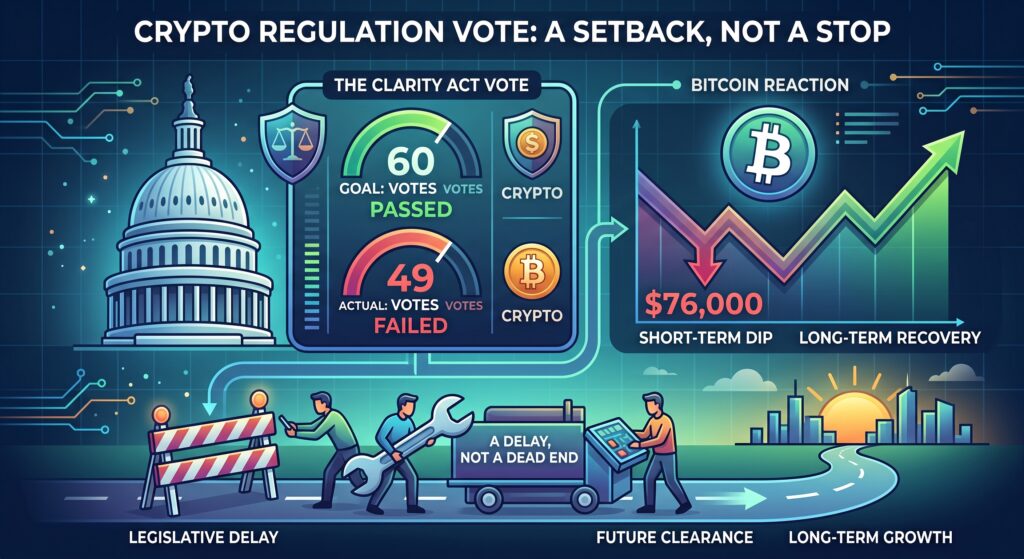
In the middle of the month, the US Senate voted on the CLARITY Act. This is the bill that would finally set clear rules for crypto in America, such as which coins count as commodities and who keeps an eye on them. It needed 60 votes to move forward, and it received 49. Bitcoin fell below $76,000 soon after.
For now the bill is stuck. That sounds worse than it is. Rules for a brand-new industry rarely arrive in one neat step, and Congress often needs more than one attempt. Bitcoin climbed back before the month was out, which suggests investors saw this as a delay rather than a dead end.
The US Raises Interest Rates
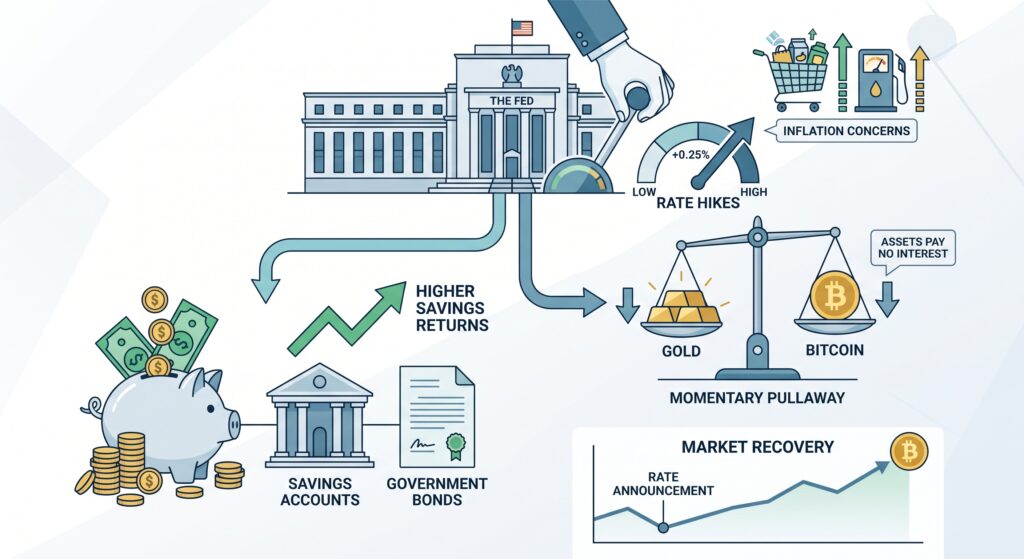
The US central bank, known as the Fed, raised its interest rate by a quarter of one per cent. It was the first rise in more than three years. The reason is that prices for everyday things are still rising faster than anyone would like, and fuel is a big part of that.
Think about what a higher rate means for a saver. A bank account or a government bond now pays a little more, so some people move their money there for a while. Gold and Bitcoin pay no interest, so they feel a gentle pull the other way. That is partly why gold slipped this month. Gold also had a very strong August, and after a big run, it is normal for prices to take a breather.
Rate rises like this have happened many times before. Markets usually settle down faster than the headlines suggest, and Bitcoin still finished the month higher.
Why Your Safety Matters More Than the Price
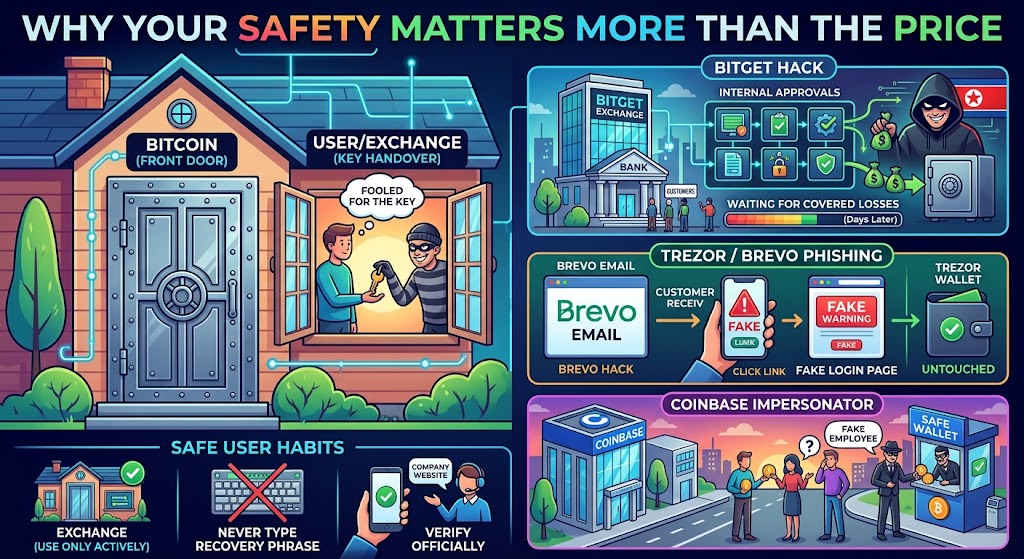
September was a rough month for crypto thefts. Here is the part we want you to remember. None of the thefts below involved anyone breaking Bitcoin or crypto itself. In every case, someone went after a company or tricked a person.
Think of it like a house with a very strong front door. The door held up, but a burglar fooled someone into handing over the key.
A large exchange called Bitget was one of the victims. An exchange is a website where you buy and hold crypto, a bit like a stock exchange or bank for coins. Attackers got into the internal system Bitget uses to approve money moving in and out, and took hundreds of millions of dollars.
Investigators have linked the Bitget attack to North Korea, which has now stolen more than $1 billion in crypto this year. Bitget says it will cover its customers’ losses, although people could not take their money out for several days.
Customers of Trezor, which makes crypto wallets, were targeted in a different way. Attackers broke into Brevo, the outside company Trezor uses to send its emails. The scammers then sent a fake warning to Trezor’s mailing list, claiming a fault in the device could put people’s savings at risk. The email urged readers to click a link and check their wallet on what was really a fake page. The wallets themselves were never touched.
In New York, a man who pretended to work for Coinbase was sent to prison. He had convinced about 100 people to move their coins to a “safe wallet” that he secretly controlled.
So what can an ordinary person do? Keep on an exchange only what you are actively using. Exchanges can be hacked, and some simply close their doors. One called CoinEx announced this month that it will shut down by late December, so its customers now need to move their coins elsewhere. Never type your recovery phrase into an email, a website or an app. If someone contacts you first about your money, stop. Hang up. Then call the company only through its official website.
New Roads in Europe and America

The European Central Bank, which looks after the euro, switched on a new system called Pontes. It lets banks trade digital versions of things like bonds and settle the payment safely. Deutsche Bank and Santander are already connected.
In the same week, the US share market regulator, the SEC, gave platforms a five-year green light to trade digital versions of ordinary company shares. Think of both the European event and the US event as “governments are building new crypto roads”. You only build a road when you expect plenty of traffic.
What does that mean for you? The world’s biggest banks are getting ready for a future where more investments are digital. You do not need to do anything about it today. It is simply a sign that the direction has not changed, even in a month of scary headlines.
A Few Questions Readers Keep Asking

Rather than fill the whole update with news, here are three questions that land in my inbox again and again. If you have wondered about any of these, you are not alone.
If interest rates are going up, should I just leave my money in the bank?
A bank account is a good home for money you will need soon, such as bills, a holiday or an emergency fund. It pays a little more now, and it is very steady. Money you will not need for many years has a different job, which is to grow faster than prices rise.
Interest rates also change over time, so the best choice this year may not be the best choice in three years. That is why many people keep both, with cash for the short term and a spread of investments for the long term. Your own adviser can help you find the right mix for your situation.
What is a recovery phrase, and why does everyone keep warning me about it?
When you set up a crypto wallet, it gives you a list of 12 or 24 words. This list is your recovery phrase. Think of it as the master key to a safety deposit box. Anyone who has those words can empty your wallet, and nobody can reverse it.
That is why scammers work so hard to get it. This month’s fake Trezor email was one example, steering people towards a fake page built to fool them. No real company will ever ask for your recovery phrase. Write it on paper, keep it somewhere safe, and never type it into an email, a website or an app.
Why did Bitcoin go up in a month full of bad news?
Many people assume prices follow the headlines, though markets tend to look ahead. By the time the Fed raised its rate, investors had been expecting it for several days, so the price had already adjusted. It is a bit like a weather forecast. You pack the umbrella before the rain arrives, not after.
Big investors also kept buying. Bitcoin ETFs, which are funds that let people own Bitcoin through an ordinary share account, took in about $2.4 billion of new money in a single week. Some traders had also bet the price would fall. When it rose instead, they were forced to buy Bitcoin to cover their bets, which pushed the price even higher. Nobody can predict moves like this reliably, which is why we focus on the long term rather than the changing weather of the week.
We are hosting a free Ask Me Anything on Monday 26 October at 7 pm Brisbane time.This will be 5am 26 Oct in NYC and 9am 26 October in London. Register here and bring any question you like.
Got a question of your own? Send it to [email protected]. The best ones end up in the newsletter.
Our Fund Performance
Crypto finished the month higher than it started, though the ride was bumpy. Each of our funds has its own job to do. Some are built for growth, and others are built to hold steady when markets get rough. Together they give investors a sensible spread.
Boston (BOS)
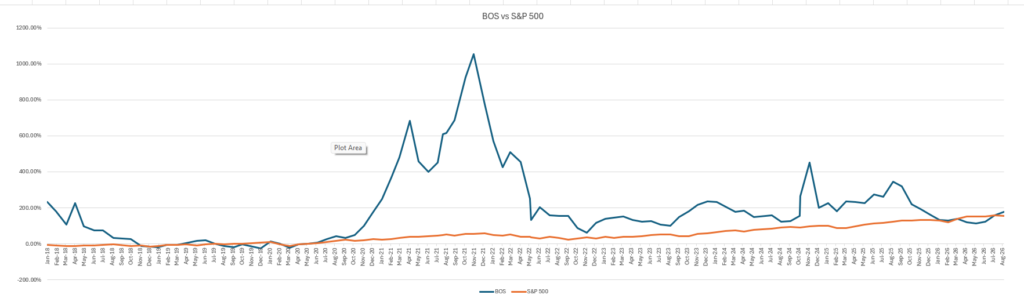
Our flagship fund had a good month. This is diversification quietly doing its job. When a handful of holdings perform well, they help carry the whole fund forward.
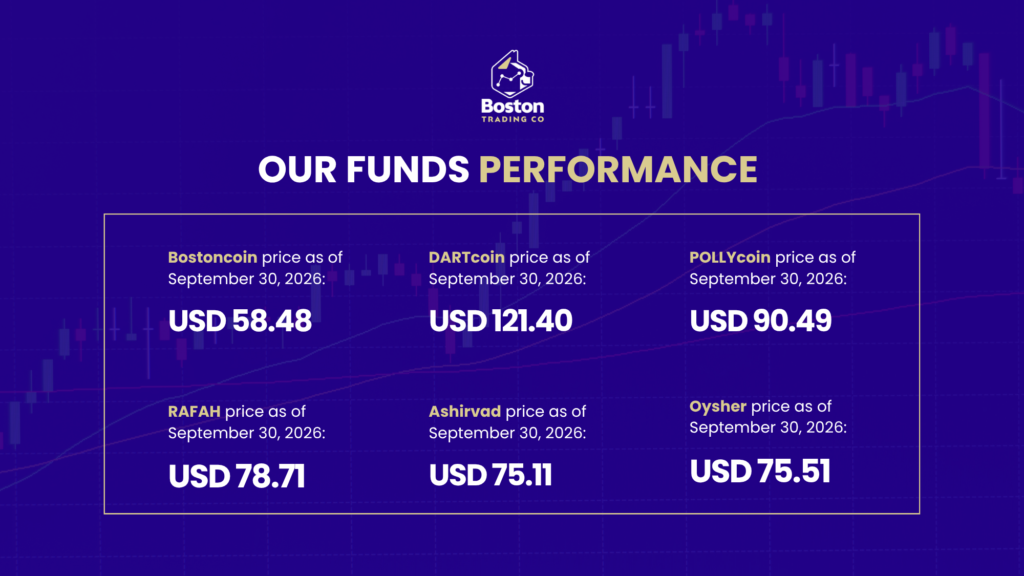
Bostoncoin price as at September 30, 2026: USD 58.48
DART
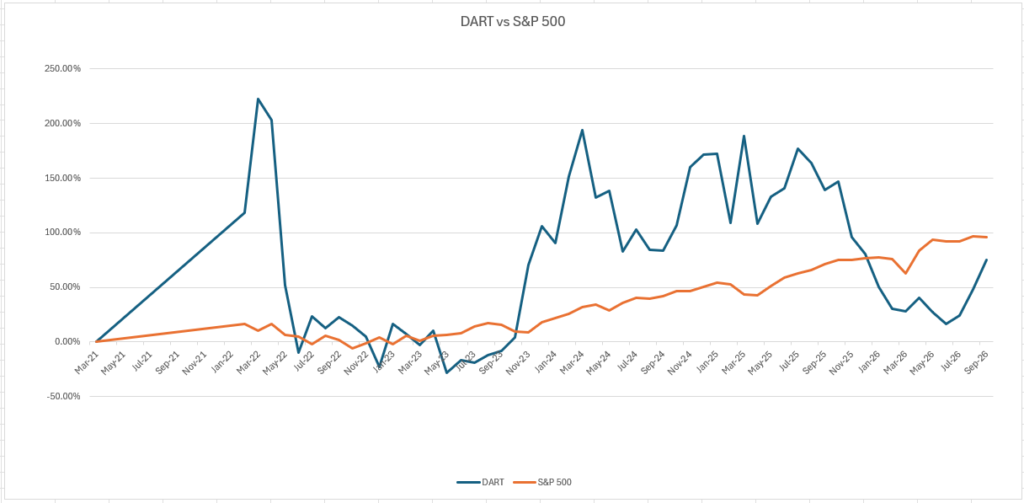
DART was the standout this month. It has a history of moving quickly once the market finds its feet, and September was a nice example of that.
DARTcoin price as at September 30, 2026: USD 121.40
Polly
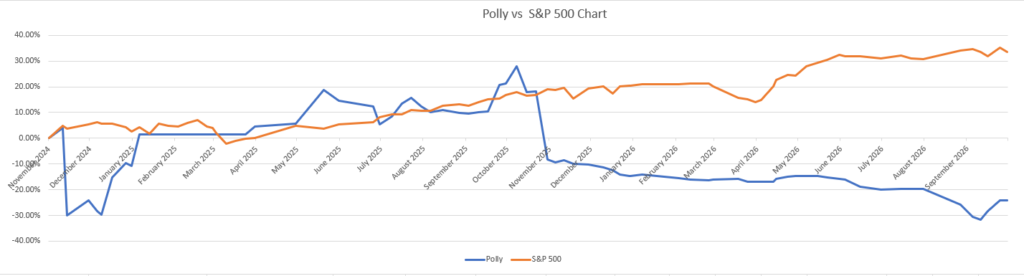
Polly is our conservative fund. She is built to protect capital first and grow second. That steady approach is the whole point of her.
POLLYcoin price as at September 30, 2026: USD 90.49
Rafah
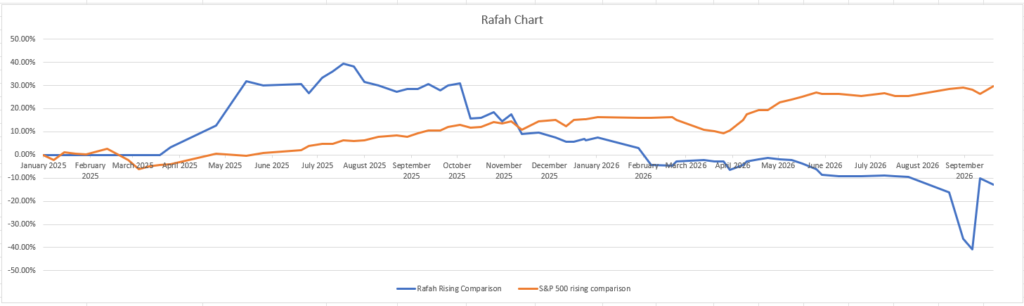
Rafah held steady through a bumpy month. It remains well placed for when the wider market recovers.
RAFAH price as at September 30, 2026: USD 78.71
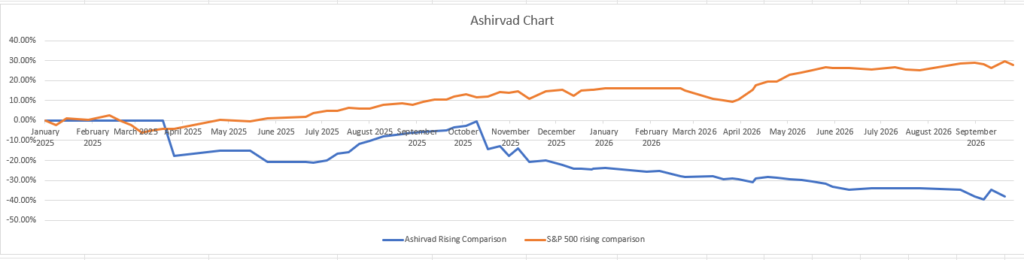
Ashirvad
Ashirvad moved with the broader market this month. Recoveries rarely reach every corner of the market at once. Patient holders are well placed for the turn.
Ashirvad price as at September 30, 2026: USD 75.11
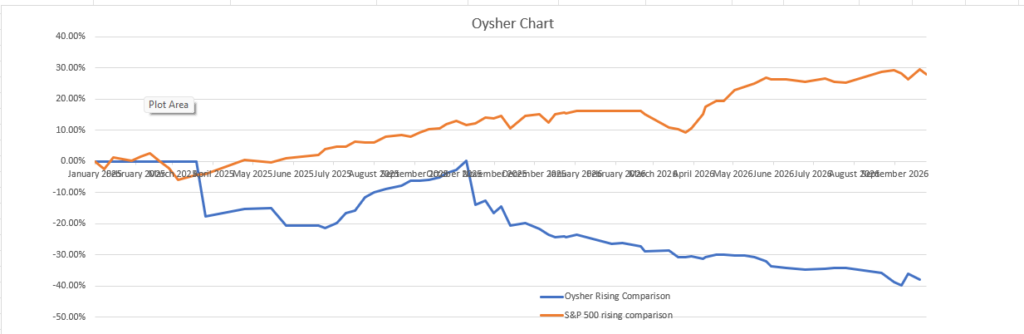
Oysher
Oysher also moved with the broader market through September. Like the others, it is positioned to do well when crypto steadies.
Oysher price as at September 30, 2026: USD 75.51
What We Are Watching
Next month we will keep an eye on what the Fed does with interest rates, and on whether Congress brings the CLARITY Act back for another try. Neither event needs to change how a patient investor behaves. They are simply the two things most likely to move the headlines.
Let me close with this: markets move in cycles, and human nature rarely changes. People get nervous at the bottom and excited at the top. Our job is to improve the odds, manage the risk and help you avoid expensive mistakes.
Spend some time with your family this month. Pat the dog. Turn the price charts off now and then. The markets will still be there tomorrow.
Until next time,
Get rich slowly. Stay wealthy forever.
JB
We Would Love Your Feedback
If this update helped you stay informed:
✓ Leave us a review, and we will donate to your chosen charity
✓ Please forward this to a friend who needs clarity
✓ Share on X, LinkedIn, or Facebook with #BostonCoin
Ready to explore the Boston fund? Book a Discovery Call
Send a screenshot of your TrustPilot review to [email protected] with your address, and we will send you a sweet gift from the team.

