


If you spent June watching the price charts every day, you probably didn’t enjoy yourself very much.
Bitcoin had a rough month. Gold had its worst quarter in more than a decade. Silver followed it lower, and the headlines became increasingly gloomy. If your neighbour suddenly became an expert on why crypto is dead again, don’t worry. That seems to happen every few years.
Fortunately, investing is a little like driving a car. If you spend all your time looking in the rear-view mirror, you eventually run into something. Let’s spend a few minutes looking through the windscreen instead.
The Price Picture

Bitcoin finished the month around US$58,500 after starting June above US$73,000. Ethereum also had a difficult month, and the Fear & Greed Index spent much of June sitting in “Extreme Fear”. That simply means investors are nervous, and when investors become nervous, they usually make emotional decisions.
The funny thing about markets is that they have not changed much in hundreds of years. Prices rise, and people become excited and believe they will rise forever. Prices fall, people become frightened and believe they will never recover. Human nature has always moved much faster than the underlying value of good assets.
Gold and the Pull of Higher Interest Rates

Gold investors also had a rough month. Many people think gold only goes up during uncertain times, but like every investment, it has good months and bad months. Rising interest rates have made cash and government bonds more attractive for the time being, so some money has flowed out of precious metals and crypto and into interest-bearing investments. That is perfectly normal.
The Federal Reserve left interest rates unchanged in June, but many of its members now expect rates could move higher before the end of the year. Markets do not like uncertainty, and they like the prospect of higher interest rates even less. Assets that produce no income, such as gold and Bitcoin, often come under pressure when investors can suddenly earn a better return from cash.
That explains the price movements.
Now let’s look at something much more interesting.
What the Big Institutions Kept Building
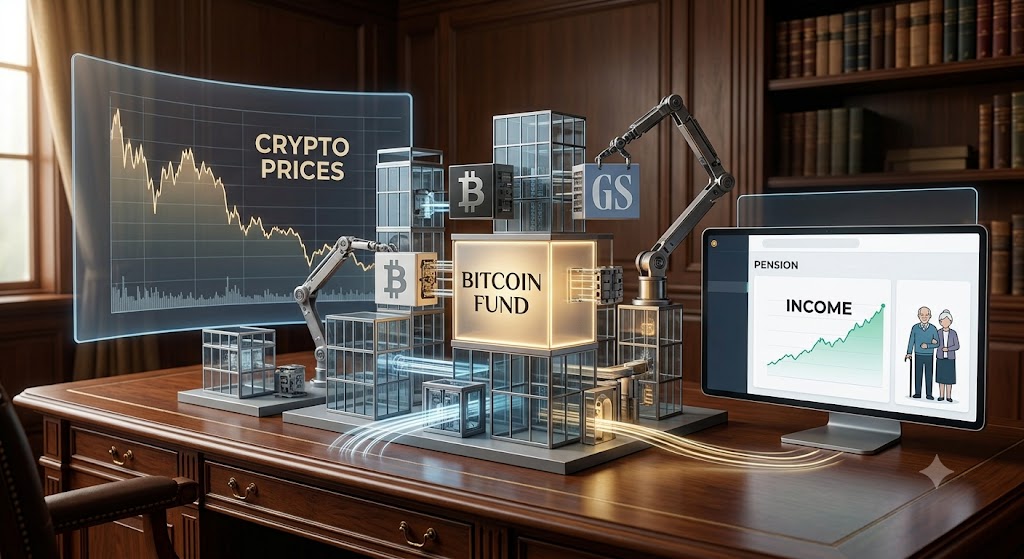
While prices were falling, the world’s largest financial institutions continued building around digital assets.
BlackRock launched a new Bitcoin income fund. Instead of simply helping investors own Bitcoin, they are now creating products that generate regular income from Bitcoin holdings. Think about that for a moment.
Only a few years ago the debate was whether Bitcoin would survive. Today the discussion has moved to how pension funds and retirees might eventually earn income from it. That is a very different conversation.
Goldman Sachs is expected to launch something similar soon. Wall Street is no longer asking whether crypto belongs in the financial system. They are quietly working out how to integrate it.
That is the sort of news that we pay attention to.
140 Companies Back a New Digital Dollar

Another interesting development came right at the end of the month, when more than 140 companies, including Visa, Mastercard, BlackRock, Google, Coinbase and Stripe, announced a new stablecoin network called Open USD.
Stablecoins are not exciting because they go up in price. They are exciting because they make moving money much easier.
Imagine sending US dollars around the world as easily as sending an email. That is essentially what stablecoins are trying to achieve.
New stablecoins appear every week, but when companies of this size all decide to work together, we take notice. They may not always get everything right, but they rarely all back the wrong horse at the same time.
Ripple Reaches Japan
Ripple also reached another important milestone, launching its RLUSD stablecoin in Japan after receiving regulatory approval. Japan has some of the toughest financial regulations in the world, so approval there is another sign that digital assets are gradually becoming part of mainstream finance rather than sitting outside it.
Crypto Moves to the Centre of Power

Politics also continues to move in crypto’s favour.
President Trump’s latest financial disclosure showed more than US$1.4 billion in cryptocurrency-related income during 2025. Regardless of your political views, the important point is not the number.
The important point is that cryptocurrency has moved from the fringe of finance to the centre of economic and political discussion. Ten years ago governments mostly ignored digital assets. Today presidents disclose them, banks offer them and regulators are writing laws around them.
That is a remarkable change in a relatively short period of time.
Shares Had the Better Quarter
Traditional share markets had a much better quarter than crypto, with technology and AI companies continuing to perform well. That is another reminder that diversification still matters. Different assets take turns leading the market. They rarely all move together for very long.
Our Fund Performance
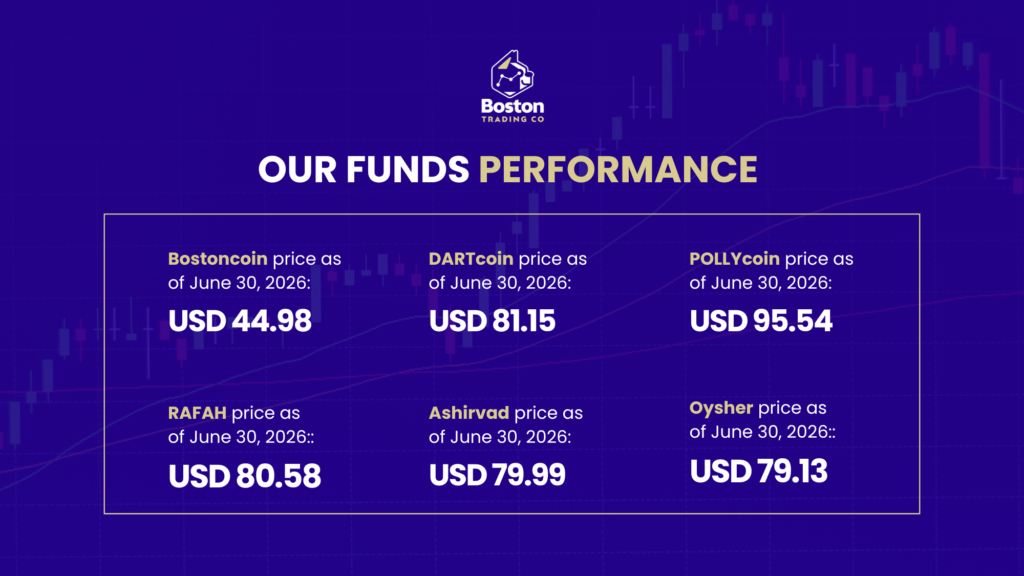
June pulled crypto prices lower across the board, and our funds moved with the market, which is what you would expect in a month like this one.
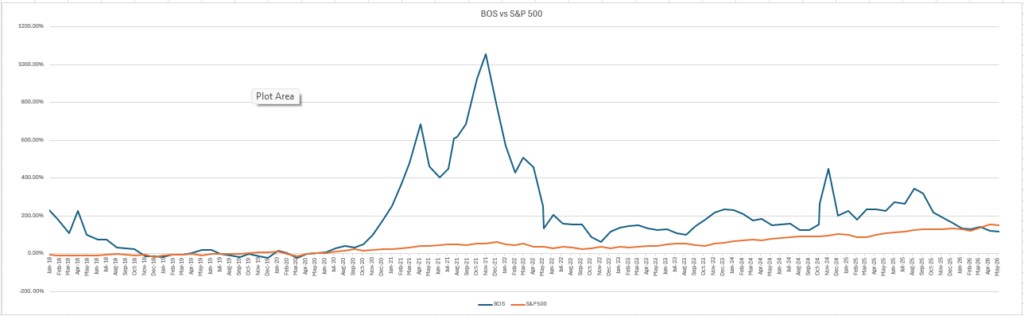
Boston (BOS)
BOS eased back with the broader market through June, though from its 2018 start it remains comfortably above where it began.
Bostoncoin price as at June 30, 2026: USD 44.98
DART
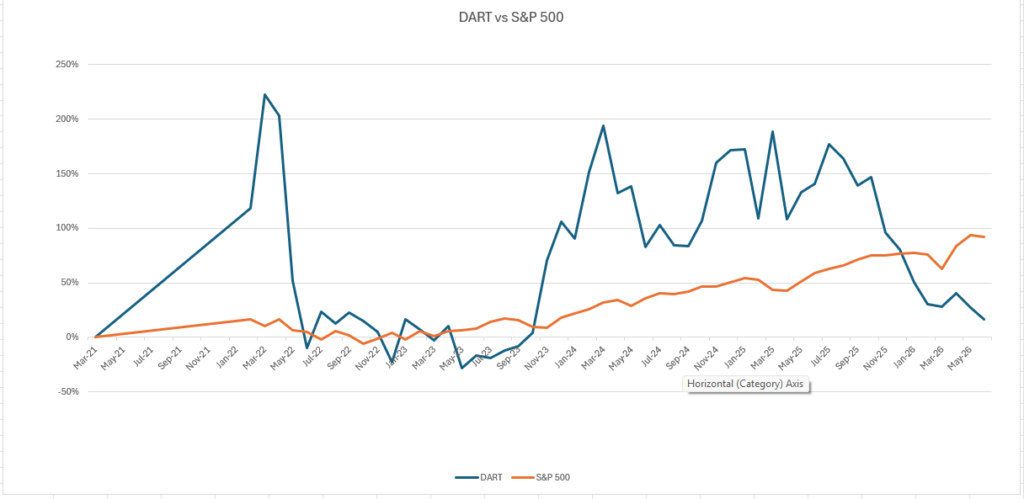
DART gave back some ground as crypto softened during June, and it has a history of closing gaps like this fairly quickly once the market turns.
DARTcoin price as at June 30, 2026: USD 81.15
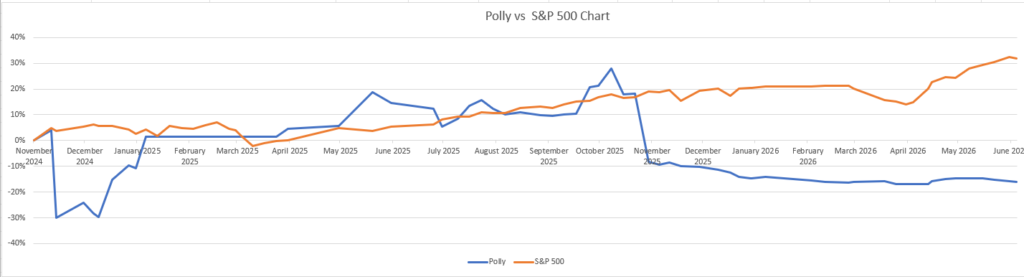
Polly
Polly, the conservative fund in the lineup, held up better than the growth funds again, which is exactly what she was built to do.
POLLYcoin price as at June 30, 2026: USD 95.54
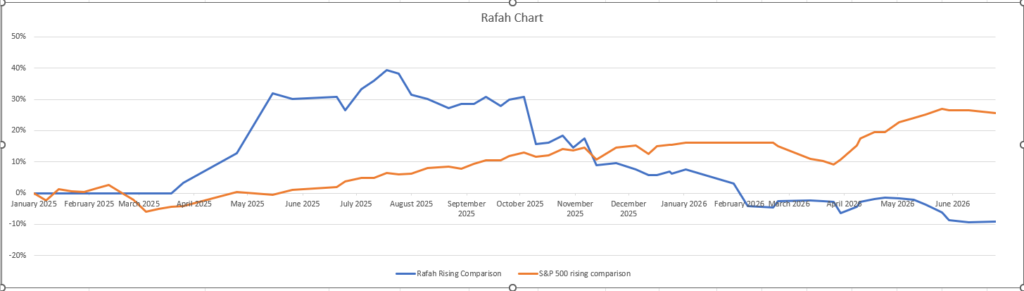
Rafah
Rafah slipped only slightly in June, holding its ground better than most crypto-heavy portfolios through the month.
RAFAH price as at June 30, 2026: USD 80.59
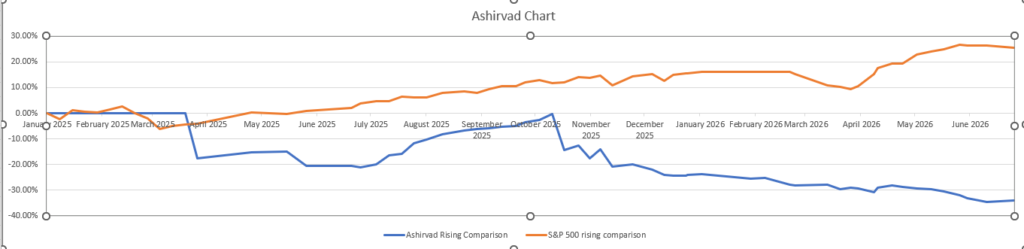
Ashirvad
Ashirvad drifted lower with the market in June and stays positioned to recover when crypto steadies.
Ashirvad price as at June 30, 2026: USD 79.99
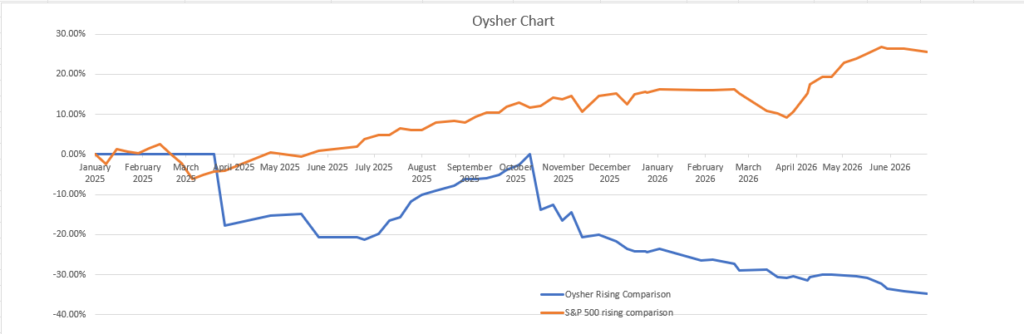
Oysher
Oysher moved in step with the wider market through June, and patient holders remain well placed for the eventual turn.
Oysher price as at June 30, 2026: USD 79.13
What We Are Watching
So what are we watching now?
The next Federal Reserve meeting will be closely watched for any change in interest rate policy. Inflation remains stubbornly higher than central banks would like, and that will continue influencing markets over the coming months.
In the United States we are also watching the progress of the CLARITY Act. If passed, it would finally provide clearer rules around digital assets. Markets generally dislike uncertainty, so sensible regulation is usually a positive development.
The Bigger Picture
The bigger picture, however, remains the same.
Prices have fallen, but crypto infrastructure continues to grow.
Every month another major institution launches a product, enters the market or commits more capital to digital assets. The people building the roads are not waiting for perfect weather. They are preparing for the traffic they believe is coming.
That does not mean prices cannot fall further. Markets have a habit of surprising all of us from time to time. What it does mean is that the long-term trend continues to look encouraging.
Our job has never been to predict every twist and turn in the market. Our job is to improve the odds, manage the risk and help investors avoid expensive mistakes. Sometimes that means being patient while everyone else is becoming impatient.
As always, we appreciate your trust.
Spend some time with your family this month. Pat the dog. Turn the price charts off occasionally. The markets will still be there tomorrow.
Until next time…
Get rich slowly. Stay wealthy forever.
JB
We Would Love Your Feedback
If this update helped you stay informed:
✓ Leave us a review, and we will donate to your chosen charity
✓ Please forward this to a friend who needs clarity
✓ Share on X, LinkedIn, or Facebook with #BostonCoin
Ready to explore the Boston fund? Book a Discovery Call
Send a screenshot of your TrustPilot review to [email protected] with your address, and we will send you a sweet gift from the team.

