


Before we start, thank you to everyone who joined us for the Ask Me Anything (AMA) on Monday, 26 October. The questions were honest and thoughtful, and a few were so good that I want to answer them again here for everyone. You will find them further down. Thanks to a cheeky ask from Nico, everyone who came along for the AMA will receive a free copy of our new book, The Crypto Code.
October itself was a quiet month until the very end. For most of October, prices drifted, and the news was fairly dull. Then, on the second-last day of the month, the largest crypto exchange in the world was hacked. If that headline made your stomach drop, I understand. Let me explain why I am not losing sleep over it, and what it actually means for you.
The Price Picture
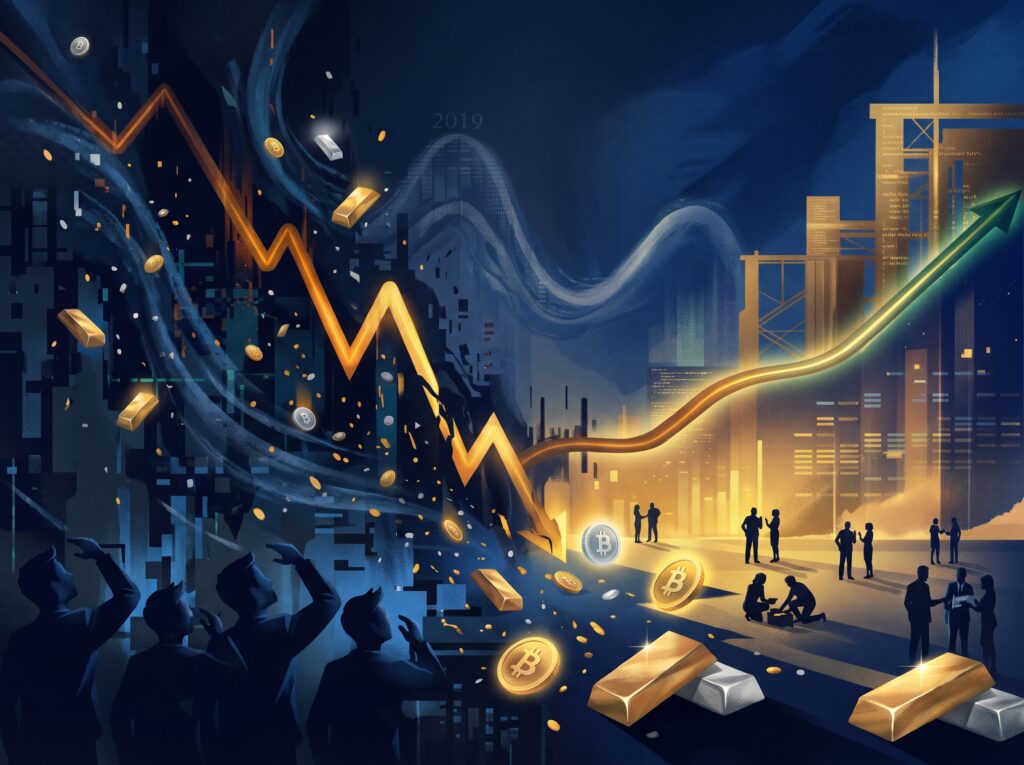
Bitcoin spent most of October between about $80,000 and $86,000, and finished a few percentage points lower than where it started. Bitcoin slipped again after the Binance hack news, which is normal after a scare. Gold also eased back, and silver followed it down.
We have been here before. In 2019, hackers took about 7,000 Bitcoin from Binance. The price dipped a few per cent on the news and recovered most of its losses soon after. The sums are far bigger this time, though the pattern of a sharp fright followed by a calmer second look is very familiar.
The Binance Hack: A Robbery at the Bank, Not a Problem With the Money

On the evening of 29 October, attackers broke into Binance and emptied one of its hot wallets. A hot wallet is the online wallet an exchange uses for everyday withdrawals, a bit like the cash drawer at a bank branch. Billions of dollars in crypto went out the door within minutes, and the early estimates still vary a lot. Binance has paused withdrawals while it investigates, and it has promised to cover all customer losses.
The first question most people ask is whether this affects them. If you do not use Binance, it does not touch your coins at all. Your Bitcoin lives on the Bitcoin network, not inside any one company, and that network keeps running normally the whole time. If you do use Binance, the company has an emergency fund set aside for events like this, and it has used it before.
Something else happened that would have been unthinkable ten years ago. Within hours, the companies behind two of the biggest digital dollars (USDT and USDC), Tether and Circle, froze billions of dollars linked to the attack so the thieves could not spend it. That shows how much this industry has grown up. It is also a gentle reminder that a digital dollar issued by a company can be frozen by that company. Bitcoin held in your own wallet cannot be frozen by anyone, which is a big part of why people own it.
If you are a Binance customer, the best thing to do this week is “relax”. Take a screenshot of your balances so you have your own record, then wait for official updates. Scammers love a moment like this, so treat any message offering a “refund” or a “compensation claim” as fake.
A genuine company will already have your details and will never need your password, ID or other details to give you your money back.
There is a bigger lesson here about convenience. Leaving coins on an exchange is a bit like leaving your jewellery at the jeweller’s shop because it saves you a trip home. Most of the time nothing goes wrong. When something does, you are relying on someone else to make it right. Holding your own coins takes a little more effort, and that effort is what buys you independence.
Interest Rates: The Fed Waits and Watches

The US Federal Reserve left interest rates unchanged on 28 October, a month after it raised them. Two of its officials wanted another rise straight away, and many investors now expect one in December.
Think of the Fed as a doctor who has just given a patient a stronger dose of medicine. Before giving any more, the doctor wants to see whether the first dose is working. The patient here is inflation, which is still running hotter than anyone would like, mostly because of fuel prices.
For an ordinary investor, this means that borrowing will stay expensive for a while, in America and often elsewhere too. It also means being patient. Rate rises do their work slowly, and the full effect usually shows up months later. In our experience, the people who do best through these stretches are the ones who stick to their plan rather than reacting to every Fed meeting.
Your Bank Is Quietly Moving Onto the Blockchain

In October, JPMorgan, the biggest bank in America, put its digital dollar, called JPM Coin, onto Ethereum. For now, only the bank’s large business clients can use it. HSBC went a step further and launched a digital Hong Kong dollar to more than three million people through its payments app.
Most people will never notice this change, and that is rather the point. When you tap your card at the supermarket, you do not think about the network moving the money behind the scenes. In a few years, many everyday payments will travel on blockchains in the same quiet way. Plenty of people will be using crypto technology long before they ever buy a coin.
We do not think that this will hurt Bitcoin, because stablecoins and scarce coins do different jobs. A bank token is simply a quicker way to move dollars around. Bitcoin is something people hold because there will only ever be 21 million of them. One is the post office delivery van, and the other is the gold that people choose to keep in the safe.
Closer to Home: Australia Sets the Rules

On 15 October, ASIC, Australia’s financial watchdog, released its proposed rules for crypto platforms. The new laws start in April 2027. They cover how platforms must look after customer coins, including how they store the private keys that control those coins. They also set out how much money a platform must hold to stay financially sound.
I think this is good news for ordinary investors. Sensible rules keep the cowboys out and give people the confidence to take part. After what happened at Binance this week, you can see exactly why rules about looking after customer money matter. The more that the crypto industry is held to the same standards as banks and fund managers, the easier it becomes for everyday Australians to invest with peace of mind.
Three Questions from the AMA

As promised, here are three of the questions from Monday night, with my answers tidied up a little for the page.
Is Bitcoin overpriced, and where is the bottom?
A good place to start is what it costs to make a Bitcoin. By most estimates, it takes around $60,000 in electricity to mine a single coin. Think about it like building a house. If the bricks alone cost you half a million dollars, you would not sell the house for less than the cost of the bricks.
Over the last 15 years, Bitcoin has dropped below that cost basis a handful of times, and only briefly during crashes. When that happens, many miners switch off their machines, because it becomes cheaper to buy Bitcoin on an exchange than to mine it. That buying helps lift the price again. We saw this earlier in the year, when Bitcoin dipped just under $59,000 for a short time, close to where we said the bottom was likely to be. Nobody can promise that price will never go lower, although the cost of making a coin acts like a soft floor.
Is now a good time to buy property?
Many younger buyers have only ever known low interest rates. They have watched property prices double in a few years and assume it will keep happening. Those of us who remember the 1990s know that when interest rates go up, property usually stops rising. Prices tend to dip a little and then sit flat for a while, because fewer people can afford to buy.
Our view is that the next five years will be fairly flat for property in most places. Rents will keep creeping up, roughly in line with inflation. Somewhere around 2030 or 2031, rents should rise to the point where buying property starts to look cheaper than renting again. That is usually when property becomes good value. If you are thinking about buying, there is no need to rush, and patience may well be rewarded.
Which currency will win: the US dollar, the euro or something else?
This one made me smile, because I honestly do not think a human will get to decide. AI agents, which are computer programs that act on our behalf, are already starting to pay each other for services such as data and computing power. The robots or Ai agents do not care about national pride or which currency feels safest. They will simply use whichever one moves the fastest and costs the least, especially for very small payments.
My answer is that I do not know which currency will win, and I am comfortable saying so. What I do know is that speed and low costs will matter more than ever. That helps explain why the banks are so busy putting their dollars onto blockchains.
I enjoyed the AMA night enough that I hope we can do it again soon.
Our Funds Performance
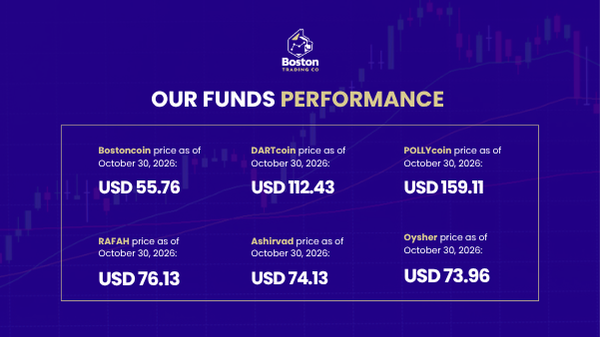
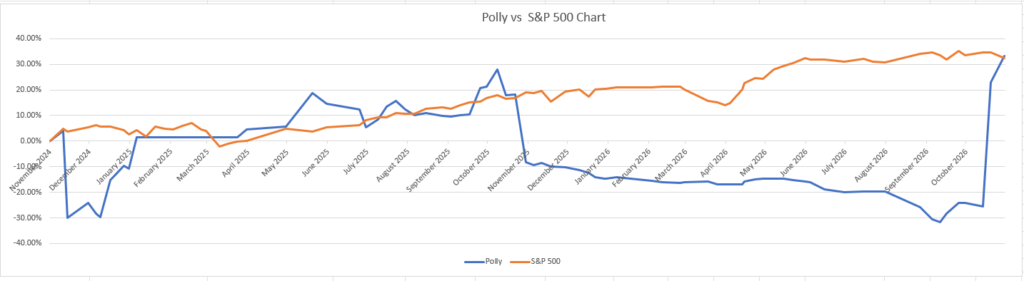
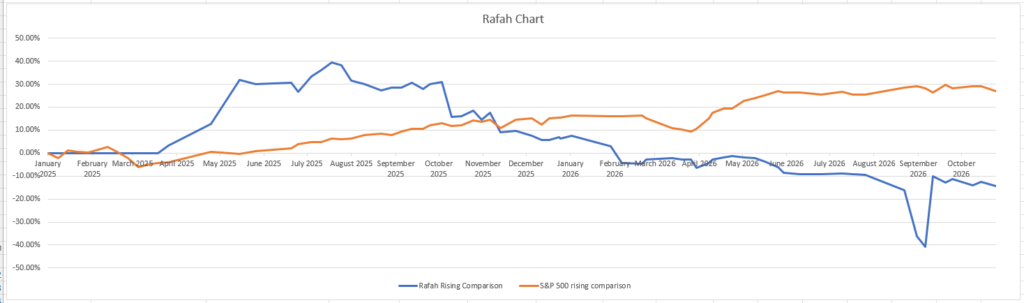
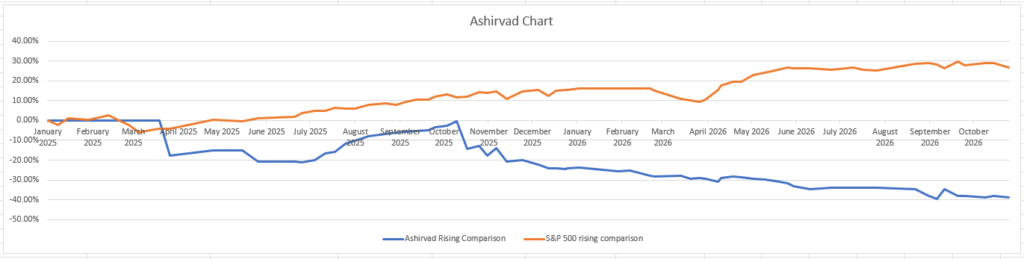
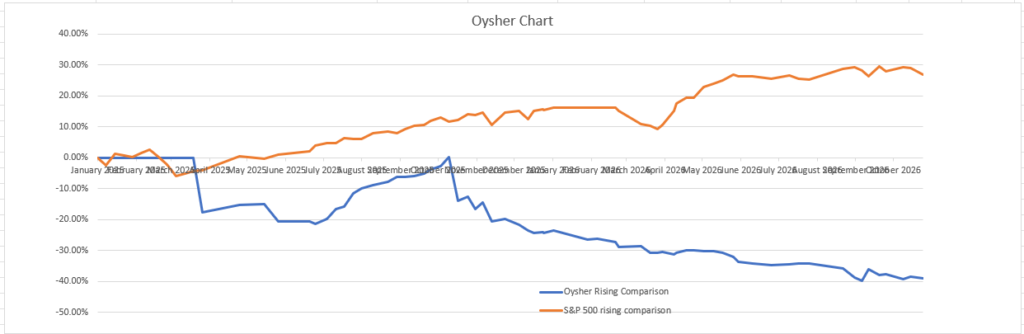
Crypto took a breather in October after a strong September, and most of our funds eased back a little with it. Polly was the exception, finishing the month well ahead. Polly is our little quiet achiever; she seems to do well when markets are down but can be slow when markets rapidly move up. When we have very exciting markets, that is where the other funds can shine.
Boston (BOS)
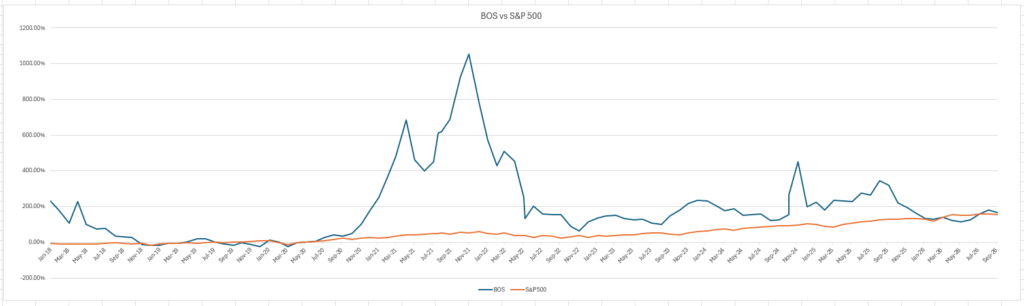
BOS gave back some of September’s gains but still finished slightly higher than where it stood at the end of August.
Bostoncoin price as at October 30, 2026: USD 55.76
DART
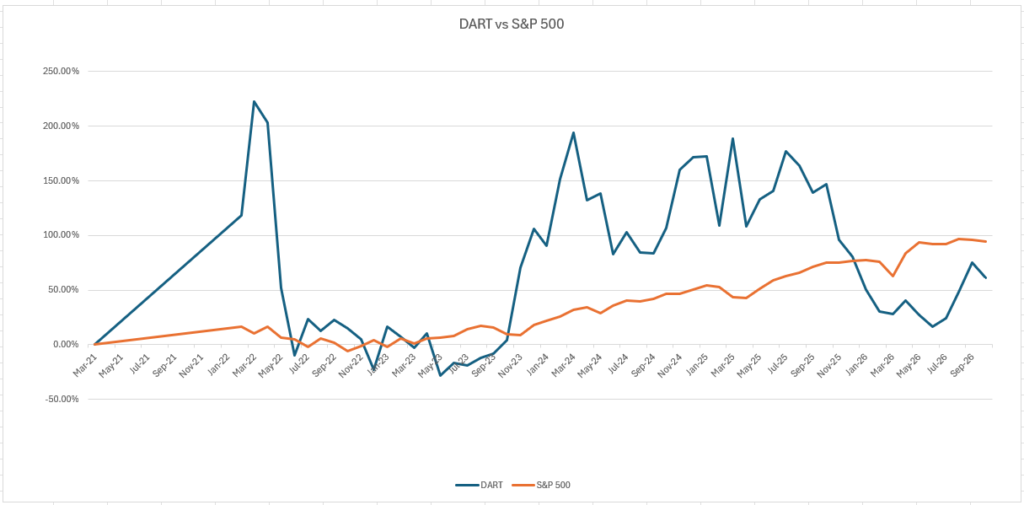
DART eased back after its big September and remains comfortably above the $100 mark.
DARTcoin price as at October 30, 2026: USD 112.43
Polly
Polly was the standout this month, climbing from around $90 to just over $159 while most of the market drifted lower.
POLLYcoin price as at October 30, 2026: USD 159.11
Rafah
Rafah dipped only slightly and is still ahead of where it was at the end of August.
RAFAH price as at October 30, 2026: USD 76.13
Ashirvad
Ashirvad was one of our steadiest funds in October, holding very close to flat for the month.
Ashirvad price as at October 30, 2026: USD 74.13
Oysher
Oysher moved gently with the wider market and held up well in a soft month.
Oysher price as at October 30, 2026: USD 73.96
What We Are Watching

The Fed meets again in December, and we will see whether it raises rates once more. We will also be watching for Binance’s full report on what went wrong, and how quickly customers get their money back. None of these needs to change how a patient investor behaves.
October ended with a Halloween jump-scare, so it is worth looking at what happened. A crypto company was robbed, and a large part of the money was frozen within hours. The exchange promised to repay its customers, and the coins themselves kept working as normal. Meanwhile, big banks and Australia’s regulator spent the month making digital assets safer to use. We find all of that far more reassuring than any price chart.
If there is one small job for you this month, make it this one. Take a few minutes to check where your coins are held, and ask yourself whether you are comfortable with that. If you would like a hand thinking it through, our team is always happy to talk.
Until next time,
Get rich slowly. Stay wealthy forever.
JB
We Would Love Your Feedback
If this update helped you stay informed:
✓ Leave us a review, and we will donate to your chosen charity
✓ Please forward this to a friend who needs clarity
✓ Share on X, LinkedIn, or Facebook with #BostonCoin
Ready to explore the Boston fund? Book a Discovery Call
Send a screenshot of your TrustPilot review to [email protected] with your address, and we will send you a sweet gift from the team.

