



March was supposed to be quiet, and it was not. Bitcoin bounced between US$66,000 and US$74,000 all month before ending right back near US$66,700, which makes it look like nothing happened. Underneath that flat line, though, the entire foundation of how America treats digital assets changed. Let’s dive in.
The Price Picture
Bitcoin opened around US$69,000, touched US$74,000 mid-month, then slid back to US$66,700 with Ethereum steady around US$2,000. The Fear and Greed Index stayed below 20 for most of March. Here is what caught our eye, though: gold and silver dropped in the last two weeks while Bitcoin climbed. JPMorgan noted that gold’s market liquidity had fallen below Bitcoin’s, and that big funds were aggressively dumping precious metals. Bitcoin is finally starting to act like a store of value and a scarce commodity, not like a tech stock getting pushed around by Wall Street.
Twenty Million Down, One Million to Go

On March 9, the 20 millionth Bitcoin was mined, which means over 95% of all the Bitcoin that will ever exist are now out there. The remaining one million will take about 114 years to mine; so we will see the last Bitcoin mined in the year 2140, if we live that long. Analysts estimate 2.3 to 3.7 million coins are permanently lost behind forgotten passwords and inaccessible wallets, so the real tradeable supply sits closer to 16 or 17 million. Bitcoin’s mining rate is now below 0.85% per year, less than half the rate of new gold production.
A Crypto Exchange Gets the Keys to the Fed
On March 4, Kraken became the first crypto company in American history to receive a Federal Reserve master account, giving it direct access to Fedwire, the payment network that moves trillions of dollars every day. Until now, every crypto exchange has had to go through middleman banks just to move dollars. Senator Lummis called it a “watershed moment”, and after five and a half years of scrutiny, the Fed has acknowledged that a crypto firm can operate on the same rails as the biggest banks in the country.
Washington Finally Picks a Lane

On March 17, the SEC and CFTC jointly classified 16 crypto assets as “digital commodities,” ending a decade-long fight over who regulates what. Staking your coins to earn yield is apparently not a securities transaction, and the ETF pipeline for these tokens is now wide open. The CLARITY Act, which would lock these rules into permanent law, has a 72% chance of reaching the President’s desk by Q3.
Quantum Computing Comes Knocking
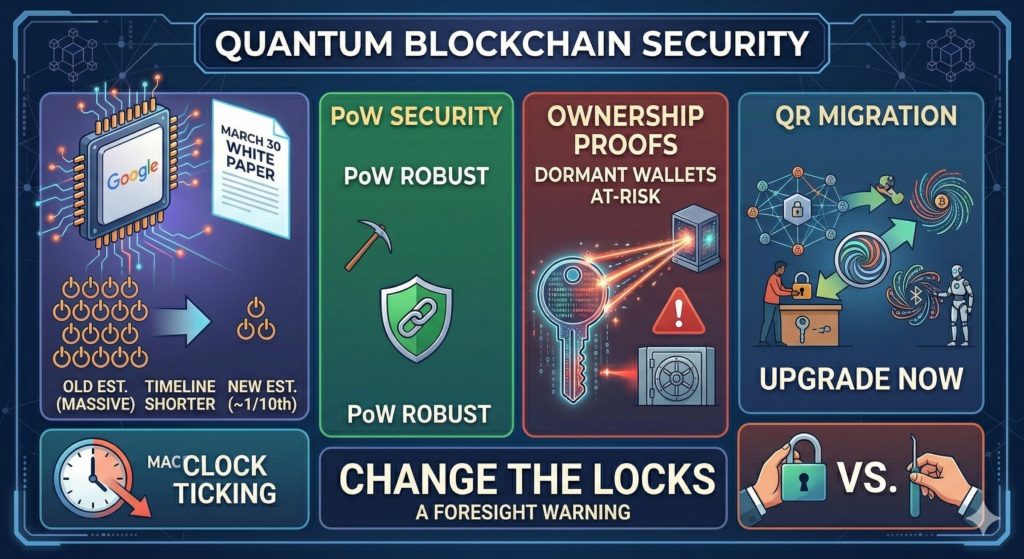
Google’s quantum team dropped a white paper on March 30 showing that cracking the encryption behind most blockchains could take about ten times less quantum computing power than previously thought.
Machines that powerful do not exist yet, but the timeline just got shorter. The good news: Bitcoin’s proof-of-work is not directly vulnerable. The bad news: the digital signatures that prove who owns what could be vulnerable, especially dormant wallets that cannot be upgraded after the fact.
Google is urging the crypto world to start migrating to quantum-resistant cryptography now. We may have another 5-10 years before any real concerns occur.
We are not losing sleep over the current situation tonight, but feel that the industry should be looking into changing the locks before someone figures out how to pick them.
ETFs Come Back From the Dead
After four straight months of outflows, Bitcoin ETFs posted roughly $1.3 billion in net inflows during March, the first positive month since October 2025. BlackRock’s iShares Bitcoin Trust now holds about $55 billion, and cumulative inflows across all spot Bitcoin ETFs have passed $56 billion since launch.
The First Bank Steps Up
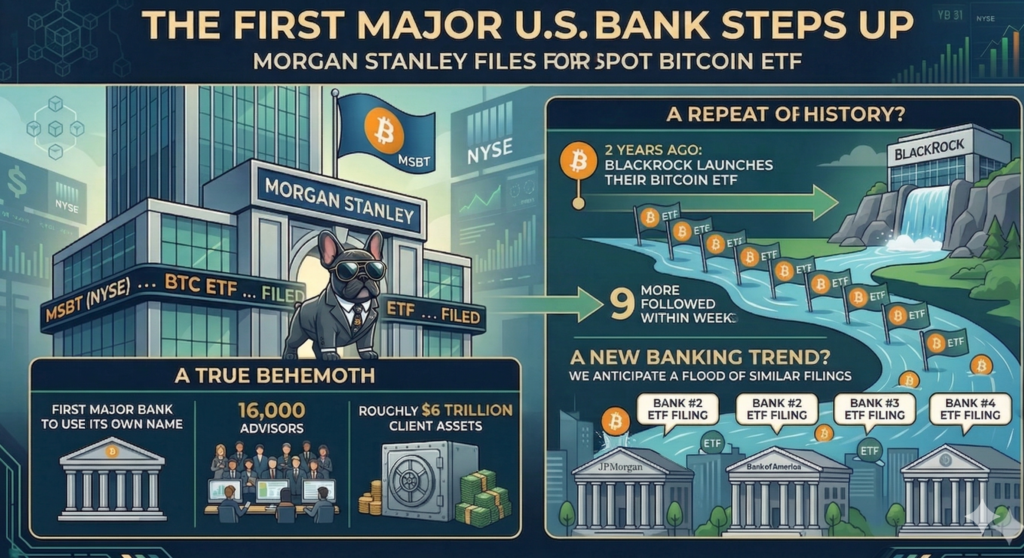
Morgan Stanley has filed to launch its own spot Bitcoin ETF on the NYSE under the ticker MSBT, making it the first major U.S. bank to put its own name on a Bitcoin fund. With 16,000 advisors and roughly $6 trillion in client assets, this is not a small player testing the water. We remember when BlackRock launched their Bitcoin fund two years ago and nine more Wall Street firms followed within weeks, so we would not be surprised to see more banks doing the same.
Your Retirement Just Got Interesting
On March 30, the US Department of Labor proposed a rule that would let 401(k) plans include crypto alongside stocks and bonds. The U.S. 401(k) market holds roughly $13.9 trillion, so even a 1% allocation would push $139 billion into digital assets, dwarfing the $56 billion that all Bitcoin ETFs have attracted since launch.
Meanwhile, down under in Australia, AMP Superannuation is already investing into cryptocurrency, REST is making plans and HostPlus is awaiting regulatory approval. Of course, self-managed super funds (SMSFs) can invest into crypto on approval from your accountant.
Franklin Templeton Goes All In

Franklin Templeton acquired 250 Digital to create a new division called Franklin Crypto, targeting pensions and sovereign wealth funds. Part of the deal is being settled in tokenised assets. When a $1.7 trillion manager uses a bear market to build a crypto division, they are betting on the next decade.
Our Fund Performance
The market is down, and our fund prices reflect that. The U.S. is fighting another Gulf War (what is this, the third or fourth gulf war?), and most assets have taken a hit. Some dramatic voices are calling this “WW3,” which we think is overblown. We believe this is a brief panic dip and that market conditions will improve. It is good to see crypto holding its value while gold and silver slipped.
Bostoncoin (BOS)
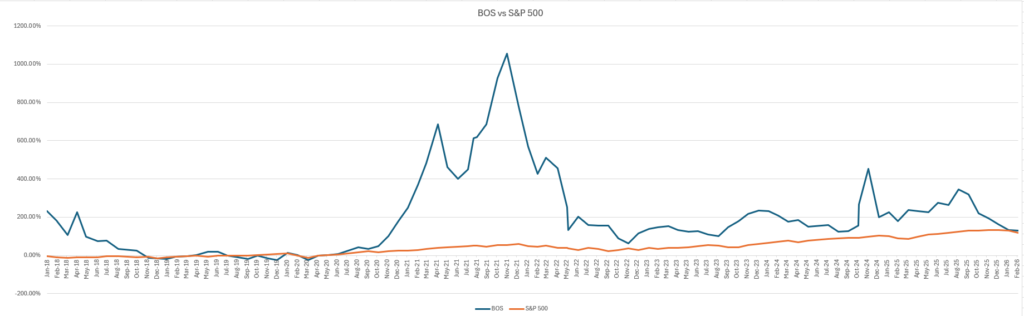
BOS ($47.94): Down the last few months but up ~150% from inception.
This Month’s Winners:
MXCoin +2,043%
HyperLiquid: +6,111%
Zcash +1,152%
Superloop (ASX: SLC) +152%
ARK Innovation (NYSE: ARKK) +114%.
DART
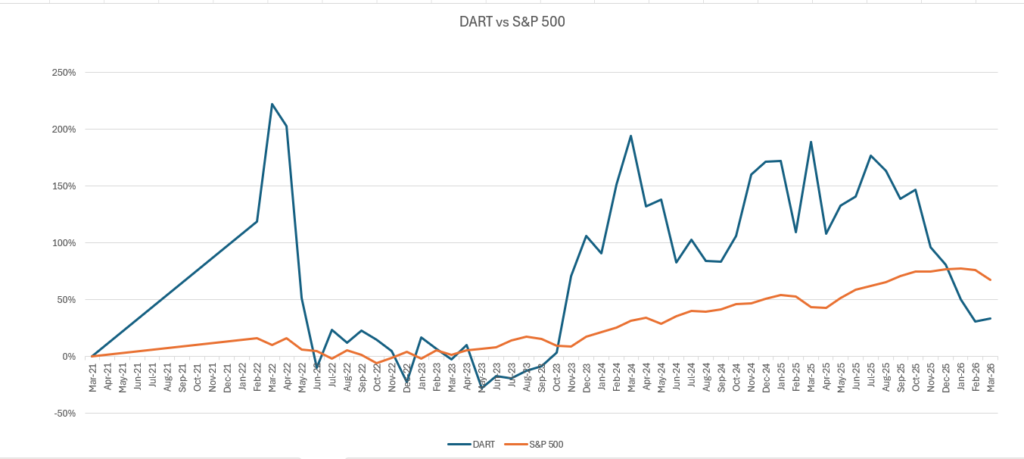
DART ($92.88): Down this month but up ~30% from launch.
Winners this month include
Tron at +137%
Venice at +154%
Polly
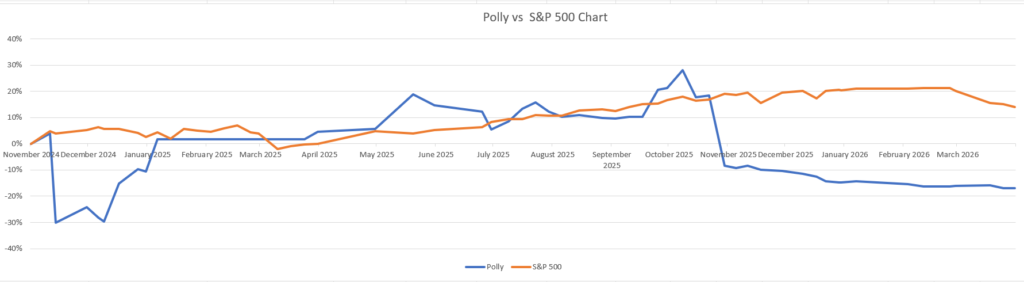
POLLY ($99.26): Down only ~2% YTD with no big winners by design. She is the conservative fund, conserving capital while others are down 15-20%. Once conditions improve, the growth funds should bounce back higher and faster whilst little Polly poodles along at a more measured pace.
Rafah
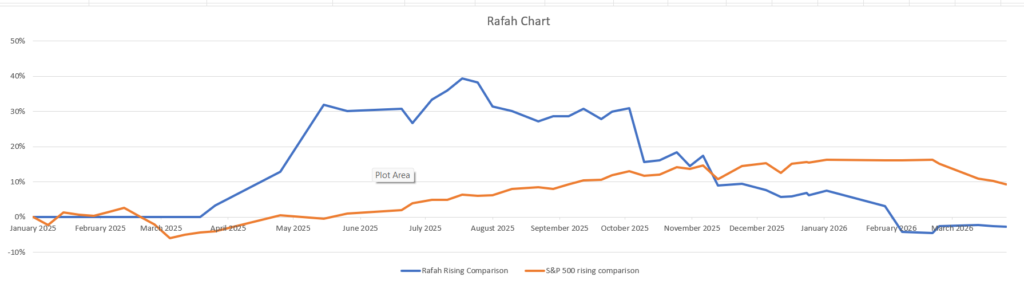
RAFAH ($86.32): Close to flat from its January 2025 start, which is a solid result compared to most crypto assets over the same period.
Ashirvad
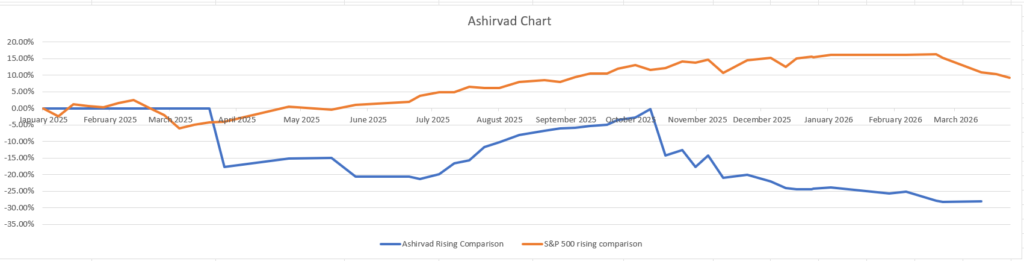
ASHIRVAD ($86.17): Down from its January 2025 start. Crypto is down hard across the board right now, and these numbers reflect that. Positioned to move when things turn.
Oysher
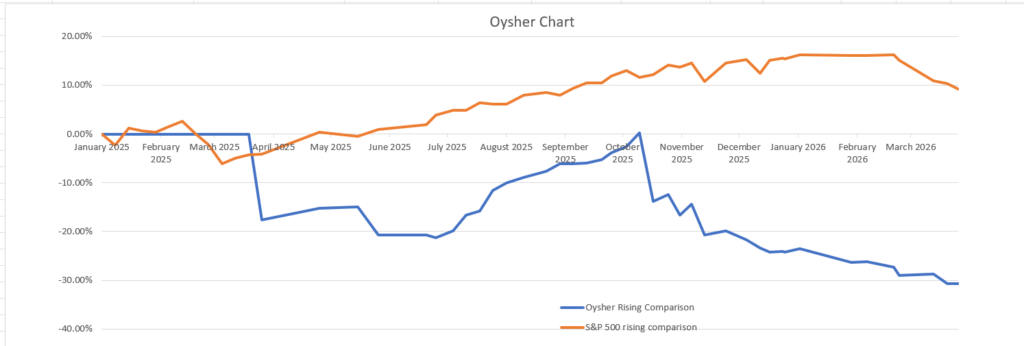
OYSHER ($83.99): Down from its January 2025 start, reflecting where the broader crypto market sits today. Positioned to move when crypto turns.
What We Are Watching
Bitcoin’s price says “fear” while the infrastructure, Wall Street and big banks say “future”. In one month, a crypto firm got Federal Bank access, 16 tokens became commodities, ETFs turned positive, retirement accounts opened to crypto, a bank filed for its own Bitcoin ETF, and a trillion-dollar fund manager built a crypto arm.
Buy the dip if you can. HODL if you cannot. We shall see you on the other side of the Gulf war shenanigans.
Stay patient, stay positioned, and remember that the best opportunities tend to show up when things feel the worst.
– JB
We Would Love Your Feedback
If this update helped you stay informed:
✓ Leave us a review, and we will donate to your chosen charity
✓ Please forward this to a friend who needs clarity
✓ Share on X, LinkedIn, or Facebook with #BostonCoin
Ready to explore the Boston fund? Book a Discovery Call
Send a screenshot of your TrustPilot review to support@bostontrading.co with your address, and we will send you a sweet gift from the team.

